
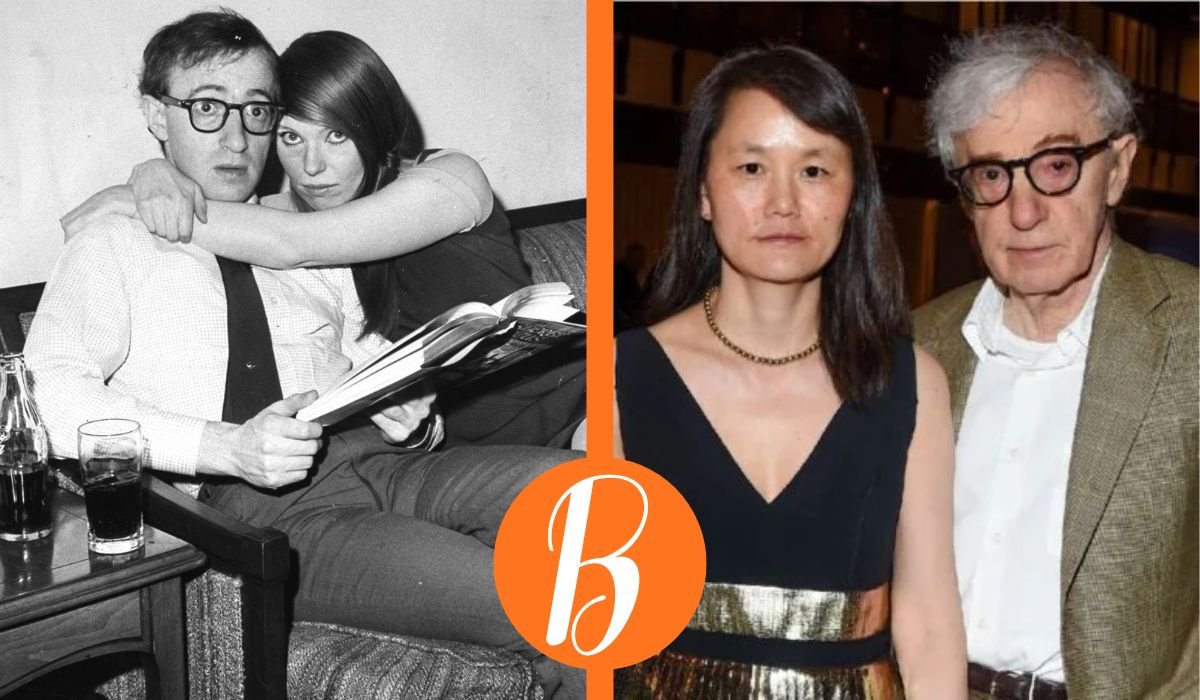
Harlene Rosen remains one of those rare figures connected to fame yet largely untouched by it. While many people recognize her name through her early marriage to Woody Allen, her personal story carries a deeper human dimension that often goes unexplored. In an era obsessed with celebrity culture, Harlene Rosen represents something different: a life shaped by talent, personal challenges, and an enduring commitment to privacy. Her experience offers more than historical curiosity. It touches on themes that feel remarkably modern, including public identity, personal dignity, and the cost of unwanted attention. Even decades after her brief time in the public eye, readers continue searching for answers about who she was, what she experienced, and why her story still resonates.
Quick Bio Information
Full Name
Harlene Rosen
Known For
Woody Allen’s First Wife
Nationality
American
Profession
Pianist
Marriage Year
1956
Marriage Context
Woody Allen’s Early Career
Public Recognition
Primarily Through Marriage
Documented Legal Event
Defamation Lawsuit
Era Of Public Attention
Late 1950s To Early 1960s
Connection To Entertainment World
Indirect
Artistic Background
Music And Piano
Media Presence After Divorce
Extremely Limited
Children
No Public Record
Public Interviews
Rare To None
Reputation Legacy
Privacy And Dignity
Historical Significance
Early Reputation Lawsuit Case
Association With Woody Allen Films
Indirect Cultural Interest
Current Public Status
Private Individual
Who Is Harlene Rosen? A Quick Overview
At the most basic level, Harlene Rosen is widely known as Woody Allen’s first wife. Yet reducing her identity to a marital footnote overlooks the larger picture. She was a young woman with artistic interests, a background in music, and a life trajectory that might have unfolded very differently under other circumstances. Historical records and reliable biographies of Allen confirm that Rosen married him during the earliest phase of his career, long before Hollywood recognition and international awards became part of his narrative. Despite this association, Rosen never became a celebrity personality herself. Her public visibility emerged almost entirely through events surrounding the marriage and its aftermath, rather than through any pursuit of fame.
Early Life And Background Of Harlene Rosen
Publicly available information about Harlene Rosen’s early life is notably limited, a fact worth emphasizing for accuracy. Unlike many modern public figures, Rosen lived before the digital age, when private individuals rarely left extensive media trails. What is commonly reported is that she grew up in the United States and developed a strong connection to music from a young age. Accounts describing her as thoughtful, intelligent, and artistically inclined appear repeatedly in secondary sources, though hard documentation remains scarce. This lack of detailed public record is itself meaningful. It reminds readers that not everyone connected to a famous name becomes a fully documented public subject.
Harlene Rosen’s Passion For Music And The Arts
One consistent element across discussions of Harlene Rosen is her connection to music, particularly the piano. Music was not merely a hobby but appears to have been a central aspect of her identity. During the 1950s, artistic communities often overlapped with emerging comedy and performance circles, making it unsurprising that her path would intersect with someone like Woody Allen, who was then building a career in entertainment. Rosen’s artistic inclination also highlights an important contrast. While Allen moved toward public recognition and performance-driven work, Rosen’s interests leaned toward quieter creative expression. This difference would later shape how each navigated public attention.
How Harlene Rosen Met Woody Allen
Harlene Rosen met Woody Allen in the mid-1950s, when Allen was still an aspiring comedy writer and performer. Born Allen Stewart Konigsberg, Allen was beginning to establish himself in New York’s comedy scene, long before becoming the filmmaker associated with works like Annie Hall, Manhattan, and Midnight In Paris. Their meeting took place within a cultural moment defined by youthful ambition and post-war creative energy. Both were young, and their relationship unfolded against a backdrop of artistic experimentation rather than established fame. This context is essential for understanding the dynamics of their marriage. At the time, Allen was not yet the globally recognized director audiences know today.
Marriage At A Young Age: A Different Era
In 1956, Harlene Rosen and Woody Allen married, a decision that reflected social norms very different from those of today. Marriages at a young age were far more common, and Allen himself was still navigating the uncertainties of an early career. Biographical sources consistently note Rosen’s youth at the time of the marriage, a detail that has drawn attention in later retrospectives. However, it is important to view this through historical context rather than modern assumptions. The couple’s union was not initially framed by scandal or public drama but by the ordinary hopes of two young individuals building a life together.
Life Together Before Fame Took Over
During their early years together, the marriage reportedly involved the kinds of struggles typical of young couples. Financial limitations, career uncertainties, and evolving personal ambitions shaped their shared environment. Allen was focused intensely on his developing career in comedy writing and performance, while Rosen maintained her connection to music. At this stage, their lives were far removed from Hollywood glamour. Instead, they occupied modest creative spaces, navigating the everyday realities of ambition and compromise. These early years help humanize both individuals, presenting the marriage as a lived experience rather than a historical anecdote.
When Comedy Became Controversy
As Woody Allen’s career progressed, tensions emerged that would later define public discussions of the relationship. Allen’s comedic style often drew from personal experiences, a practice not uncommon among stand-up performers. However, reports indicate that references to Rosen within his routines caused discomfort and emotional strain. What may have begun as observational humor gradually evolved into a source of conflict. The situation underscores a broader cultural question that remains relevant today: where should the boundary lie between artistic expression and personal respect? For Rosen, the experience of becoming comedic material introduced an unexpected form of public exposure.
The Defamation Lawsuit: A Rare Stand For Personal Dignity
One of the most historically documented aspects of Harlene Rosen’s story is the defamation lawsuit she later filed against Allen. Legal records and widely cited biographies confirm that Rosen took legal action after Allen made public remarks perceived as damaging to her reputation. The case is significant not simply because of the individuals involved but because of its broader implications. Lawsuits of this nature were relatively uncommon, particularly involving private individuals challenging public performers. Rosen’s decision reflected a desire to protect personal dignity and reputation, themes that continue to resonate in contemporary discussions about media and entertainment ethics.
Divorce And The End Of Public Conflict
The marriage ultimately ended in divorce during the early 1960s, closing a chapter that had become increasingly strained. While exact personal details remain limited, reliable sources confirm the dissolution of the union without indulging in sensationalism. Divorce, especially involving individuals connected to emerging public figures, inevitably attracted attention. Yet Rosen’s post-divorce choices would become one of the most defining aspects of her narrative. Rather than leveraging notoriety, she moved decisively away from public visibility, signaling a clear preference for personal privacy over continued media engagement.
Life After Woody Allen: Choosing Privacy Over Publicity
After the divorce and legal dispute, Harlene Rosen largely disappeared from public discourse. Unlike many individuals linked to celebrity narratives, she did not pursue interviews, memoirs, or media appearances. This deliberate withdrawal stands out in an age when visibility often becomes a form of currency. Rosen’s choice can be interpreted as an assertion of control over her own story. By declining to remain a public figure, she effectively limited the scope of speculation and commentary. Her silence, rather than indicating absence, may reflect a deeply intentional life decision.
Public Perception Versus Personal Reality
Over time, public understanding of Harlene Rosen became shaped primarily by her association with Woody Allen. Media narratives often simplify complex lives into digestible labels, and Rosen was no exception. She was frequently described in relation to Allen’s career rather than her own experiences or identity. This dynamic illustrates a common pattern in celebrity-adjacent storytelling, where secondary figures become defined by proximity rather than individuality. Recognizing this distinction allows readers to approach Rosen’s story with greater nuance and fairness.
Why Harlene Rosen’s Story Resonates Today
In 2025, Rosen’s story carries unexpected relevance. Contemporary audiences are increasingly aware of issues surrounding privacy, reputation, and the pressures of public exposure. Discussions about ethical storytelling, digital permanence, and personal boundaries echo many of the themes embedded in her experience. Rosen’s life offers a lens through which readers can reflect on how fame affects not only celebrities but also those connected to them. Her narrative quietly challenges assumptions about visibility, success, and personal fulfillment.
Final Thoughts: The Quiet Legacy Of Harlene Rosen
Harlene Rosen’s story is striking precisely because of its restraint. In a world fascinated by spectacle, her legacy is built on something quieter yet deeply powerful: the decision to live privately. Her life intersects with cultural history through Woody Allen’s rise and a notable legal dispute, yet it ultimately resists easy categorization. Rather than becoming a permanent fixture in celebrity narratives, Rosen chose distance from the spotlight. That choice, often overlooked, may be the most revealing aspect of her character. Her story invites readers to reconsider what it means to live well, to protect personal dignity, and to define success beyond public visibility.
FAQs About Harlene Rosen
Who Was Harlene Rosen?
Harlene Rosen is most widely recognized as Woody Allen’s first wife, though her identity extends beyond that association. Historical sources describe her as an American pianist with artistic interests who briefly entered public awareness through her marriage. Unlike many individuals connected to celebrity culture, Rosen maintained a largely private life, leaving limited publicly verified information about her background and later years.
When Did Harlene Rosen Marry Woody Allen?
Reliable biographical accounts confirm that Harlene Rosen married Woody Allen in 1956. At the time, Allen was still building his career in comedy writing and performance, far from the international recognition he would later achieve. The marriage took place within a social context where early marriages were more common than they are today.
Why Did Harlene Rosen And Woody Allen Divorce?
While detailed personal accounts remain limited, historical narratives indicate that tensions developed as Allen’s career advanced and elements of their private life entered his comedic material. These circumstances reportedly contributed to strain within the relationship, ultimately leading to divorce in the early 1960s. Responsible reporting avoids speculation beyond documented patterns.
Did Harlene Rosen Sue Woody Allen?
Yes, Rosen filed a defamation lawsuit against Allen, a well-documented legal event. The case arose from public remarks Allen made that Rosen considered damaging to her reputation. The lawsuit remains one of the most significant publicly verifiable aspects of her story, often cited in discussions of personal reputation and entertainment ethics.
What Is Known About Harlene Rosen Today?
Very little confirmed information exists regarding Rosen’s current life, a reflection of her longstanding commitment to privacy. She has not maintained a visible public presence, granted interviews, or engaged with media narratives. This absence underscores the broader theme of her story: the deliberate choice to remain outside public scrutiny.
Why Is Harlene Rosen Still Discussed?
Interest in Rosen persists largely because of Woody Allen’s enduring cultural impact and the unusual nature of her legal dispute with him. Her story also resonates with modern audiences concerned with privacy, media boundaries, and personal dignity. These themes give her narrative lasting relevance beyond historical curiosity.
People Also Read: Leta Ramirez: The Strong Mother Behind NFL Star CeeDee Lamb’s Success